Game Designer // Systems + Encounters

Ethan
Ortega

I build the hard part. Combat frameworks, level mechanics, and the tools that build the world around them.

Focus  Systems & encounter design Engines  Unreal, Godot Based  Arizona, US
Selected Work
01 / Level Design Complete

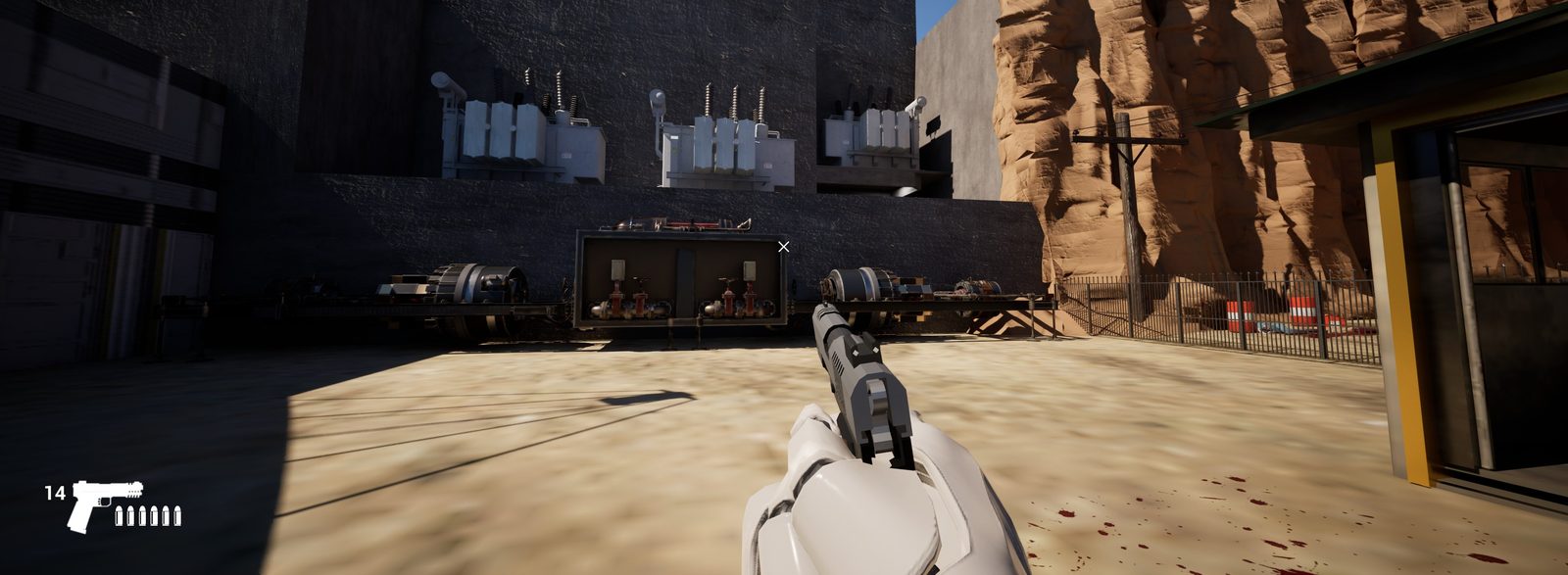
Scraps

Reroute fractured power through a dead substation to reach what they sealed away.
[ ► ]
Designer-commentary playthrough
Upload the LVD2 walkthrough to YouTube, then paste the embed URL into the commented iframe above.

Role

Sole level designer

Software

Unreal EnginePerforce

What I did

  • Designed an original single-player level inside a production game framework, start to finish.
  • Built a custom Relay Switch power-routing mechanic with real give-and-take: every switch you flip costs you something to gain something else.
  • Paced it with the IPM model, introduce the mechanic in isolation, let the player practice, then combine it under pressure.
  • Ran two rounds of peer playtesting and folded the feedback back into the final blockout.

Scraps is set in a pre-Fall electrical substation. You play the Scrapper, rerouting power through relay switches to open a path to a sealed containment unit. Progress is a chain of tradeoffs, not a series of unlocked doors.

02 / Systems Design Complete

Crossroads

A 2-player dice game I balanced with data, not vibes.
[ ▤ ]
Board + design journal
Add a photo of the board and a page of the week-by-week balance journal.

Role

Sole designer

Software

Spreadsheets2d6 probabilityTabletop prototyping

What I did

  • Designed an original 2-player dice board game from scratch over four weeks.
  • Tracked playtest data and 2d6 probability, and changed the rules based on what the numbers and players showed.
  • Cut the Push rule, fixed turn order, added per-round scoring, blocked zone-hopping, and capped pawns per zone, turning a game that worked but wasn't fun into a tactical one.
  • Ran a designated-loser test, forcing bad play on purpose, to prove the game rewards skill over luck.

The rules aren't the interesting part. The paper trail is. Every balance change has data behind it and a reason I can defend.

03 / Tools Working MVP

KitForge

Point it at any kit of 3D pieces, get a built environment in Unreal.
[ ► ]
60-90s tool demo
Record a short clip: terminal command in, generated environment appearing in Unreal out. Upload to YouTube and paste the embed URL above.

Role

Tools architect & technical lead

Software

PythonglTF / GLBUnreal InterchangeGit

What I did

  • Designed and directed an asset-agnostic modular environment generator. I owned the architecture and technical direction and ran the implementation with an AI coding agent.
  • Defined the JSON kit-definition schema, a socket and snap system with bounding-box auto-detection, and tag-based piece pools with a queryable tag syntax.
  • Built a glTF export pipeline that embeds textures so every output is a self-contained file that imports clean into Unreal at correct scale.
  • Shipped templates across six commits: linear_wall to prove the snap math, and village_small with scatter rules and deterministic seeding.

Most procedural tools are locked to one asset system. KitForge takes kits you bring yourself, which is the whole point. It is a working MVP, and the part worth talking about is the engineering: why socket auto-detection, why deterministic seeding, why asset-agnostic.

04 / Design Direction + Tech In development

Raid Game

Co-op boss fights with no grind. You clear them because you learned to.
[ ► ]
Combat slice + architecture
Add a short combat clip from the vertical slice, plus a link to the design doc. Labeled in development.

Role

Game designer & solo developer

Software

Unreal Engine 5C++BlueprintGASGit

What I did

  • Wrote the full design-direction doc: pillars and anti-pillars, monetization, progression, hero roster, and a player-authored boss content model.
  • Built an in-progress vertical slice with server-authoritative GAS combat and a data-driven ability framework, where adding a new ability is one data asset and zero new C++.
  • Built the loadout ability system: eight slots, global cooldown, dash, activate and release over the network.

A co-op game where the hardest content is the headline content and skill, not gear, beats the boss. The pillars doc is locked. The vertical slice is in active development, focused on proving one hero's kit and the combat framework before scaling up.

05 / Playable Game Playable, in development

Fish Roguelite

Protect the tank from the deep. Cute fish, eldritch horrors.
[ ► ]
Playable demo + gameplay video
Embed the Godot Web build (self-hosted in a /fish/ folder or via itch.io), or drop in a gameplay clip. Footage is ready.

Role

Solo developer (design, code, art)

Software

GodotGDScript

What I did

  • Designed a co-op survival roguelite around a protect-the-tank defense loop, with a full GDD covering the loop, economy, and content frameworks.
  • Built the playable core in Godot: shooting that feels good, fish with health and a full death sequence, edge-spawning enemies that rush the tank, and a GameState that owns health, score, and restart.
  • Drew my own placeholder art, finished the sprites myself, and tuned the AI parameters by hand.

I built this fun-first. Prove the shooting feels good, then prove the defense loop is fun, then add the rest. It is playable now and still in development.

More Work
Workflow
DES2 Tile Puzzle
Original mechanic design plus peer implementation, run through a full Agile cycle with Perforce.
Level Design
Adventure: Lighthouse
Environmental level design from moodboard to blockout to refined blockout.
UX
Pause-Menu Case Study
Wireframe to prototype to usability test to refined prototype, in Figma.
Design Doc
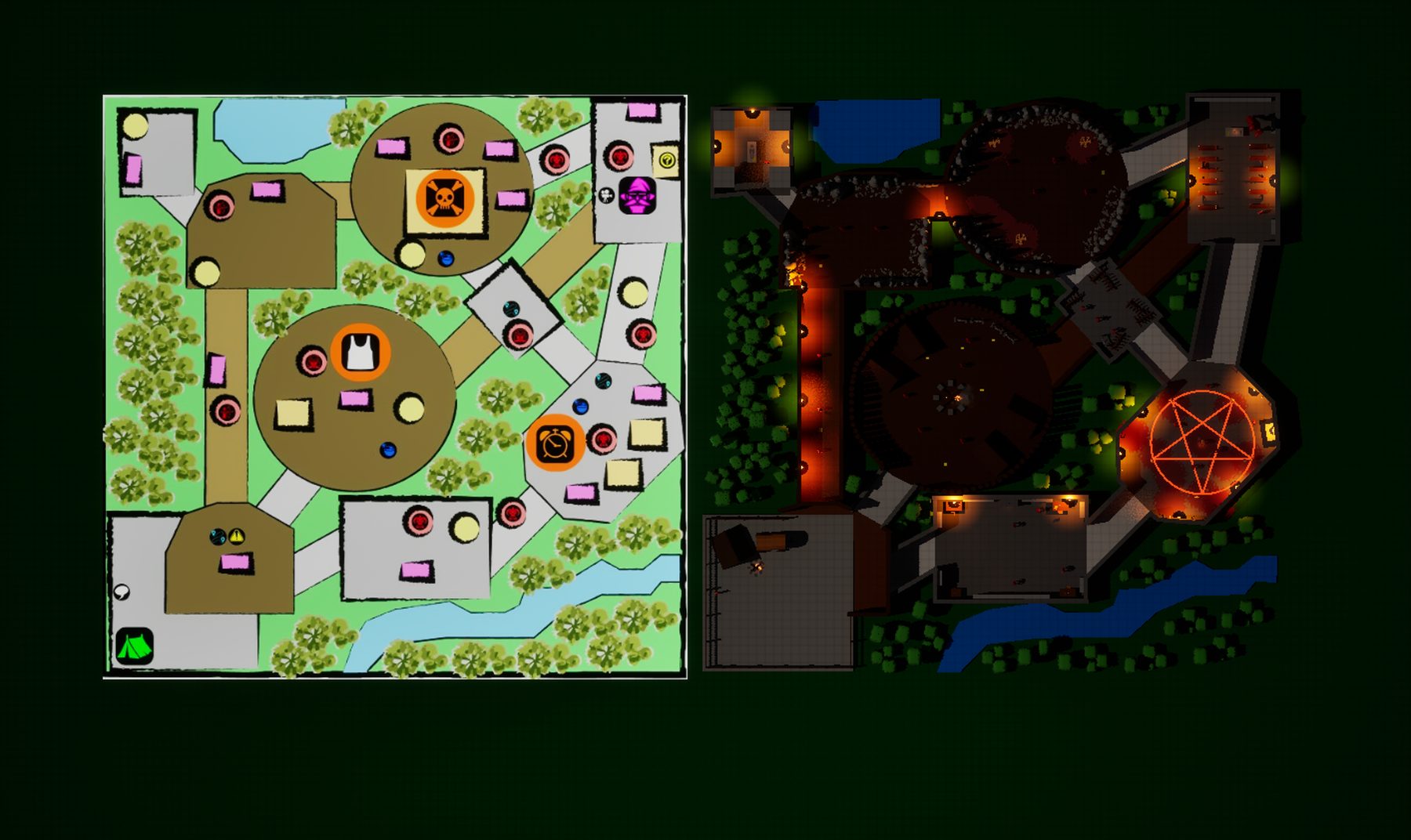
Tera
Full GDD and vision board for a co-op survival horror FPS. Zombies meets Destiny raids.
Environmental Story
Outpost Erebus-7
A station that drilled too deep. Environmental storytelling concept brief.
Movement
The Skater
A movement-design concept built around rhythm, flow, and reading a room as a line.
Devlog & Analysis
001Reading a raid encounter: UCOBHow challenge, skill, and flow stack up in Final Fantasy XIV's first Ultimate.
002Six moments that taught me designDeveloper journal across WoW Classic and Zombies.
003Level-design teardownsRemnant II, Chained Together, and what good spatial pacing actually does.
004Baba Is You: rules as objectsThree mechanic breakdowns on a game where the rules are the puzzle.
About

I am a game design and development student at Full Sail, focused on systems and encounter design. I am the kind of player who, when something in a game is not quite right, cannot stop thinking about why it was built that way and how I would fix it.

I work best where systems meet the player: combat frameworks, level mechanics with real tradeoffs, and the tools that generate the world those systems live in. Across MMOs, raid games, and the small things I ship to learn, I am building toward encounter and systems design.

Contact

Open to systems, encounter, and technical design roles. The best way to reach me is email.